Bag Filter: The Ultimate Solution for Industrial Dust and Air Filtration
In today’s industrial world, maintaining clean air and controlling dust emissions are essential for both environmental protection and worker safety. One of the most efficient and widely used filtration systems for this purpose is the Bag Filter. Whether used in cement plants, power stations, or food industries, bag filters play a crucial role in ensuring air quality and operational efficiency.
What is a Bag Filter?
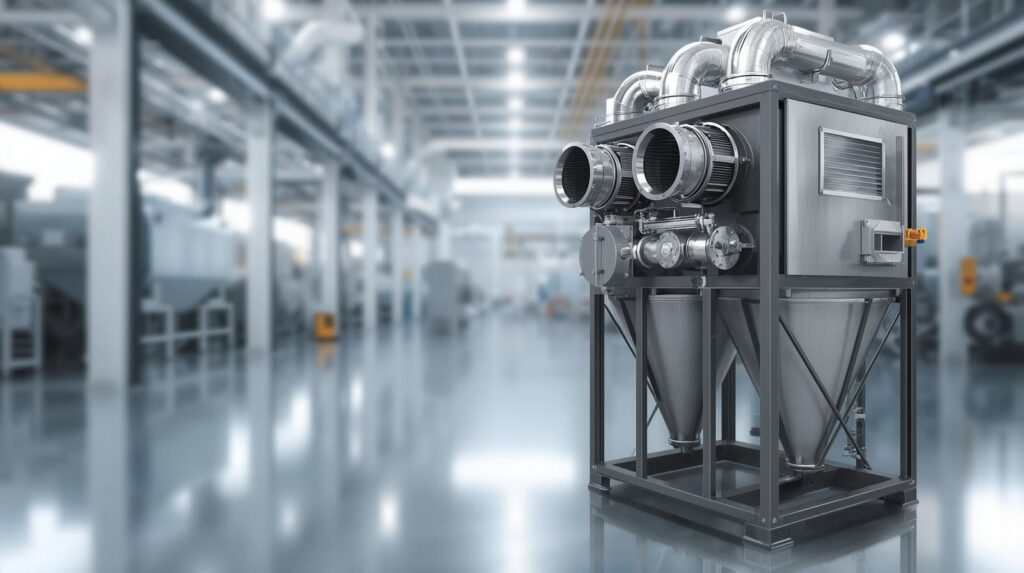
A bag filters is an air pollution control device designed to capture and remove dust particles or contaminants from industrial exhaust gases. It works on the principle of mechanical filtration — allowing air or gas to pass through filter bags while trapping solid particles on the fabric’s surface. The cleaned air is then released back into the atmosphere or reused in the system.
How Does a Bag Filter Work?
The working process of a bag filters is simple yet effective:
- Dust-Laden Air Inlet: The contaminated air enters the filter housing through an inlet duct.
- Filtration Process: As the air passes through the filter bags, dust and particulates are trapped on the fabric.
- Clean Air Outlet: The cleaned air exits the filter housing through an outlet duct.
- Dust Removal: Periodic cleaning (by shaking, reverse air, or pulse jet) removes the collected dust from the bag surface, which then falls into a hopper for disposal.
This continuous cycle ensures optimal filtration efficiency and long-term performance.
Types of Bag Filters
Bag filters come in different types, depending on their cleaning mechanisms and applications:
1. Pulse Jet Bag Filter
This is the most common type used in modern industries. It uses compressed air to clean the filter bags by blowing short bursts of air through them, removing dust effectively.
2. Reverse Air Bag Filter
In this system, a gentle reverse flow of air cleans the filter bags. It’s ideal for applications that require low-pressure operation.
3. Shaker Bag Filter
These filters are cleaned by mechanically shaking the bags to dislodge the dust particles. They are suitable for smaller industries or systems with intermittent operation.
Applications of Bag Filters
Bag filters are used in a wide range of industries due to their versatility and efficiency, including:
- Cement Industry: To control dust from kilns, crushers, and conveyors.
- Power Plants: For fly ash and smoke control in boilers.
- Pharmaceutical Industry: To maintain clean air in production areas.
- Food & Beverage Industry: For flour dust, sugar dust, and other fine particles.
- Metal Processing: To capture welding fumes and metallic dust.
Advantages of Bag Filters
Here are some key benefits that make bag filters a preferred choice for air filtration:
- High Filtration Efficiency: Can capture particles as small as 1 micron.
- Durability: Made from high-quality fabrics like polyester, PTFE, or fiberglass.
- Cost-Effective Operation: Low maintenance and long service life.
- Environmentally Friendly: Reduces harmful emissions and ensures regulatory compliance.
- Versatile Application: Suitable for both dry and semi-dry filtration processes.
Choosing the Right Bag Filter
When selecting a bag filter, consider the following factors:
- Dust Characteristics: Particle size, temperature, and moisture content.
- Airflow Rate: The volume of air to be filtered.
- Operating Environment: Chemical composition and process conditions.
- Fabric Type: Choose the right material (e.g., polyester, Nomex, or PTFE) based on temperature and chemical resistance.
- Cleaning Mechanism: Pulse jet, shaker, or reverse air as per the process requirements.
Maintenance Tips for Long Life
To ensure your bag filter performs optimally:
- Inspect filter bags regularly for wear and tear.
- Replace damaged bags immediately to prevent air leakage.
- Check pulse valves and cleaning systems for proper functioning.
- Monitor differential pressure to detect clogging early.
- Schedule periodic maintenance to ensure consistent performance.
Conclusion
A Bag Filter is not just a pollution control device — it’s a key component in creating a cleaner, safer, and more sustainable industrial environment. Its reliability, efficiency, and adaptability make it one of the most trusted solutions for dust and fume filtration across industries. Investing in a quality bag filter ensures compliance with environmental standards while improving workplace health and efficiency.
1. What is the purpose of a bag filter?
A bag filter is designed to remove dust, fumes, and particulate matter from industrial air or gas streams, ensuring cleaner emissions and a safer working environment.
2. What industries commonly use bag filters?
Bag filters are used in industries such as cement, steel, food processing, pharmaceuticals, power generation, and chemical manufacturing — anywhere dust and air pollution control are required.
3. How often should bag filters be replaced?
The lifespan of a bag filter depends on operating conditions, dust type, and cleaning frequency. Typically, filter bags last between 1 to 3 years with proper maintenance.
4. What materials are used to make bag filters?
Bag filters are commonly made from polyester, Nomex, fiberglass, or PTFE fabrics. The choice of material depends on temperature resistance and the nature of dust particles.
5. How can I improve the efficiency of my bag filter system?
You can improve efficiency by ensuring proper cleaning cycles, preventing moisture buildup, maintaining stable air pressure, and using the correct filter fabric for your application.